

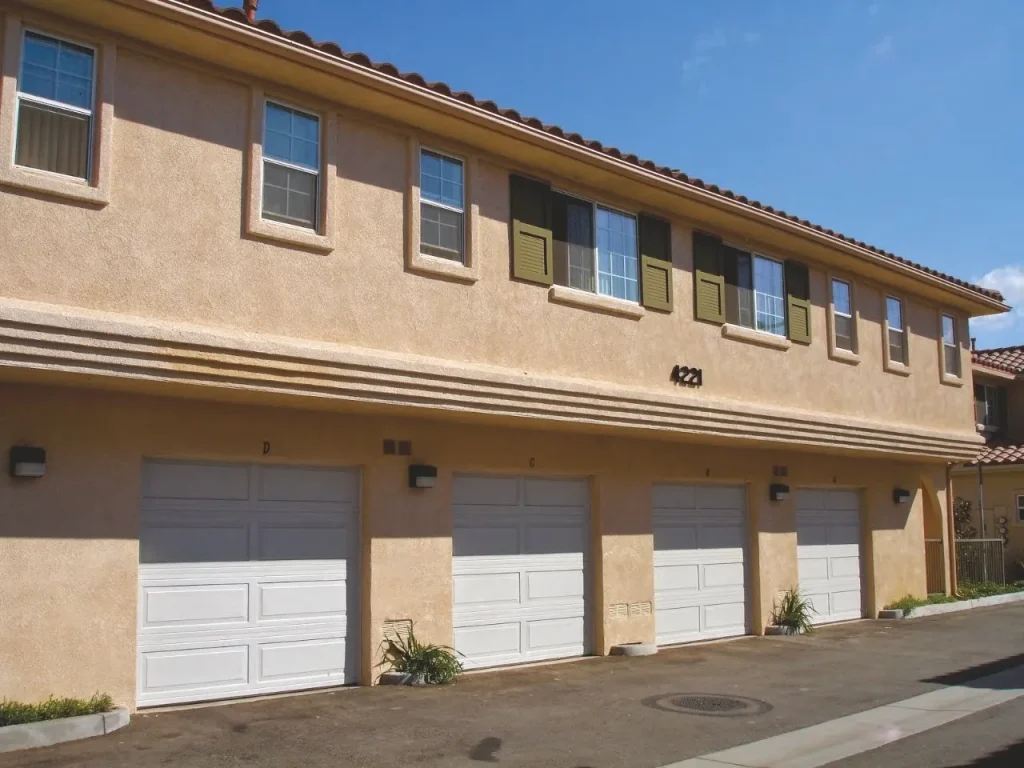
California has expanded its seismic retrofit grant programs with the new Earthquake Multi-Unit Retrofit program, commonly referred to as EMR. This program is designed for a very specific type of building: older, wood-framed multi-unit residential buildings with 5 to 10 units and a soft-story condition at the ground floor.
For many building owners, this is important news. Soft-story apartment buildings are among the more vulnerable wood-framed structures during an earthquake, especially when the lowest level contains tuck-under parking, garage openings, or large open areas with limited lateral bracing. These conditions can allow the ground floor to deform or collapse during strong shaking, placing the upper residential floors at serious risk.
The EMR program is intended to help qualified property owners offset part of the cost of strengthening these buildings.
What Is the EMR Program?
The Earthquake Multi-Unit Retrofit program is part of the California Residential Mitigation Program, which also administers Earthquake Brace + Bolt and Earthquake Soft-Story retrofit grant programs.
Where EBB focuses on raised foundation homes, and ESS focuses on single-family homes with living space over a garage, EMR is aimed at smaller multi-family residential buildings. These are typically apartment or condominium buildings with 5 to 10 units, wood-frame construction, and a vulnerable soft-story configuration at the ground level.
In practical terms, EMR is focused on buildings where the upper residential floors sit over tuck-under parking, garage doors, or other large openings that reduce the strength and stiffness of the lowest story.
Why Soft-Story Multi-Unit Buildings Are a Concern
A soft-story condition usually exists when the ground floor is significantly weaker or more open than the floors above it. In many older apartment buildings, this condition was created to provide parking below the living units.
The problem is that earthquakes do not treat open garage levels kindly. During strong lateral shaking, the upper floors can move side to side while the ground floor lacks the bracing or structural frame needed to resist that movement. In a severe event, this can lead to major structural damage, displacement of residents, loss of rental income, and in the worst cases, collapse.
This is not just a theoretical concern. California has a long history of earthquake damage involving older soft-story buildings, including damage seen during the 1994 Northridge Earthquake.
Which Buildings May Qualify?
Based on current program information, an EMR-eligible building generally must meet several key conditions:
The building must be a multi-unit residential building with 5 to 10 units.
It must be multi-story and wood-framed.
It must have been built before 1991.
It must have tuck-under parking or a similar ground-floor soft-story condition.
It must be located in a city with a mandatory multi-unit residential soft-story retrofit ordinance.
Current EMR-eligible California cities include Berkeley, Oakland, San Francisco, San Jose, Beverly Hills, Burbank, Culver City, Los Angeles, Pasadena, Santa Monica, Torrance, and West Hollywood.
For Bay Area owners, the Northern California cities currently identified are Berkeley, Oakland, San Francisco, and San Jose.
How Much Grant Funding Is Available?
The EMR program currently identifies grant assistance of up to $49,600 for qualified buildings.
The grant structure includes funding toward the construction cost of the retrofit, calculated on a per-unit basis, and additional funding toward building permits and engineered plans. As currently described, funding may cover up to 70 percent of eligible costs, subject to program caps.
This is important because EMR retrofits are typically more involved than a standard crawl space brace and bolt retrofit. A multi-unit soft-story retrofit often requires engineered plans, city plan review, steel moment frames or other engineered strengthening systems, foundation anchorage, shear wall work, and final inspection by the local building department.
What Type of Work Is Usually Involved?
Each building is different, and the final scope must be based on the building configuration, engineering, and local code requirements. However, EMR-type work may include:
Strengthening the ground floor at garage doors or other large openings.
Installing steel moment frames or other engineered lateral-force-resisting elements.
Adding plywood shear walls where appropriate.
Improving foundation anchorage.
Bracing perimeter walls at the lowest story.
Coordinating plans, permits, inspections, construction documentation, and grant-related submittals.
This is not a cosmetic upgrade. It is structural work intended to reduce the risk of serious earthquake damage by improving the building’s ability to resist lateral movement.
Why Owners Should Start Preparing Early
Even if registration has not yet opened, owners should not wait until the last minute. EMR projects can require more front-end coordination than smaller residential retrofits. Before construction can begin, an owner may need to confirm eligibility, review the local ordinance requirements, coordinate with a licensed contractor, engage a structural engineer, obtain permit drawings, submit to the city, and gather the documentation required by the grant program.
For multi-unit buildings, there may also be tenant coordination, parking access issues, garage storage concerns, utility conflicts, and work-hour limitations. These are manageable issues, but they are much easier to address early than under a deadline.
A practical first step is to identify whether the building appears to meet the basic EMR criteria. From there, the owner can begin reviewing the building configuration, soft-story condition, likely retrofit scope, engineering requirements, and local permit path.
Benga Construction’s Role
Benga Construction helps property owners understand and navigate seismic retrofit work from initial review through permitting, construction, inspection, and closeout documentation.
For EMR projects, that means helping owners evaluate whether the building appears to fit the program profile, coordinating with the required design professionals, planning the construction approach, and managing the field work required to complete the retrofit properly.
As a California licensed general contractor and licensed electrician with specialized seismic retrofit training, Benga Construction brings practical construction experience to a process that can otherwise feel technical and difficult to navigate.
Final Thoughts
The new EMR program is a meaningful opportunity for owners of qualifying smaller multi-unit buildings. These properties provide important housing, but many were built before modern soft-story seismic standards were widely applied.
For owners in eligible ordinance cities, EMR grant funding may help reduce the financial burden of completing a needed seismic retrofit. Just as important, the work can help protect residents, preserve housing, reduce earthquake damage, and improve the long-term resilience of the building.
If you own a 5 to 10 unit wood-framed building with tuck-under parking or a soft-story ground floor, now is the time to start asking questions. Early planning can make the difference between a rushed retrofit and a well-managed project.


